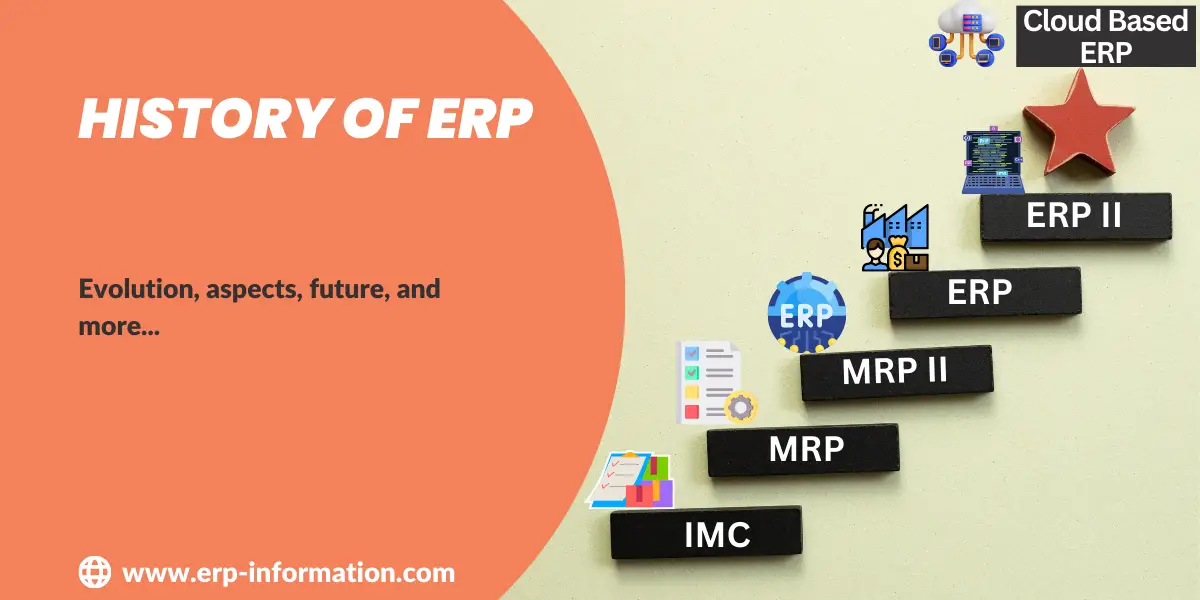
In the realm of enterprise resource planning (ERP), the shift from traditional legacy systems to modern cloud-based solutions marks a pivotal transformation.
This article delves into the evolution of ERP software erp Malaysia, tracing its journey from on-premise installations to web-based platforms and the emergence of Software as a Service (SaaS) models.
By exploring the advantages of cloud ERP solutions and forecasting future trends, we illuminate the path towards increased flexibility and efficiency in business operations.
The Rise of On-Premise ERP Systems
As organizations sought greater control over their data and infrastructure, the rise of on-premise ERP systems emerged as a strategic solution for managing internal processes. On-premise ERP systems offer companies the freedom to host their software and data on their own servers, providing a higher level of security and customization compared to cloud-based solutions. This approach allows organizations to have direct oversight and management of their ERP system, ensuring that sensitive data remains within their physical boundaries.
Furthermore, on-premise ERP systems provide companies with the flexibility to tailor the software to meet their specific needs and integrate it seamlessly with existing internal systems. This level of customization empowers organizations to optimize their processes and workflows according to their unique requirements Malaysia erp system, enhancing operational efficiency and productivity.
Despite the growing popularity of cloud-based ERP solutions, on-premise systems continue to hold relevance for businesses that prioritize data control, security, and customization. For organizations seeking a robust and customizable ERP solution with full autonomy over their data and infrastructure, on-premise systems remain a compelling choice.
Transition to Web-Based Solutions
The transition to web-based solutions represents a pivotal shift in ERP technology, offering organizations enhanced accessibility and scalability while streamlining data management processes. By migrating to web-based ERP solutions, businesses can break free from the constraints of traditional on-premise systems, enabling users to access real-time data from any location with internet connectivity. This freedom from physical infrastructure allows for increased flexibility in operations, supporting remote work capabilities and facilitating collaboration among geographically dispersed teams.
Web-based ERP solutions also provide organizations with the scalability needed to adapt to changing business requirements efficiently. With cloud-based architecture, companies can easily adjust system resources to accommodate fluctuating demands, ensuring optimal performance during peak periods without incurring unnecessary costs during slower times. Moreover, the seamless integration of web-based ERP systems with other cloud-based applications enables a more holistic approach to data management, promoting interoperability and enhancing overall operational efficiency. As organizations embrace the transition to web-based solutions, they unlock a new realm of possibilities for agile and responsive ERP implementation.
Emergence of SaaS ERP Platforms
Transitioning from traditional on-premise systems to web-based solutions has significantly reshaped the landscape of ERP technology, progressively introducing organizations to Software as a Service (SaaS) ERP platforms.
SaaS ERP platforms offer a new level of freedom and flexibility to businesses by providing access to ERP functionalities through the cloud. This shift eliminates the need for extensive hardware infrastructure and allows for easier scalability based on the organization’s needs.
With SaaS ERP platforms, businesses can enjoy faster implementation times, seamless updates, and reduced maintenance costs compared to traditional on-premise solutions. Additionally, the pay-as-you-go subscription model of SaaS ERP platforms enables companies to adapt their ERP systems to changing requirements without significant upfront investments.
The emergence of SaaS ERP platforms represents a turning point in ERP technology, empowering organizations with the agility and efficiency needed to thrive in today’s dynamic business environment.

Advantages of Cloud ERP Solutions
The shift towards cloud ERP solutions has revolutionized how businesses manage their operations, leveraging the scalability and accessibility of cloud technology to enhance efficiency and adaptability.
One key advantage of cloud ERP solutions is the flexibility they offer. Businesses can easily scale their operations up or down based on their current needs, allowing for greater agility in a rapidly changing market environment.
Additionally, cloud ERP solutions provide real-time data access from anywhere with an internet connection, enabling employees to collaborate seamlessly regardless of their physical location. This level of accessibility promotes collaboration, boosts productivity, and supports remote work setups – a feature highly valued by businesses seeking flexibility in their operations.
Moreover, cloud ERP solutions often come with regular updates and maintenance included in the service, ensuring that businesses always have access to the latest features and security patches without the need for manual intervention.
Future Trends in ERP Technology
Future innovations in ERP technology are shaping the way businesses streamline their operations and adapt to changing market demands. One significant trend is the continued integration of artificial intelligence and machine learning capabilities into ERP systems. These technologies enhance automation, data analysis, and decision-making processes, allowing businesses to operate more efficiently and make data-driven decisions in real-time.
Another key trend is the increasing focus on user experience, with ERP vendors investing in creating intuitive interfaces and mobile-friendly applications to improve accessibility and usability for employees across various devices and locations. Furthermore, the rise of Internet of Things (IoT) devices is influencing ERP development, enabling the seamless integration of data from connected devices into ERP systems for enhanced visibility and control over operations.
As businesses strive to stay competitive in a rapidly evolving digital landscape, these future trends in ERP technology will play a crucial role in driving innovation and success.
Conclusion
In conclusion, the evolution of ERP systems has transitioned from on-premise legacy software to cloud-based solutions. This shift has led to increased flexibility, scalability, and accessibility for businesses.
The emergence of SaaS ERP platforms has further revolutionized the way organizations manage their operations.
Moving forward, the future trends in ERP technology are likely to focus on artificial intelligence, machine learning, and automation to enhance efficiency and productivity in business processes.